
প্রিন্ট এর তারিখ : ১৯ জুলাই ২০২৬ ||
প্রকাশের তারিখ : ১৮ জুলাই ২০২৬
Beyond the Ballot: Why Bangladesh Needs More Youth in Politics?
 Lutfa Bintay Lotif, Article Writer ||
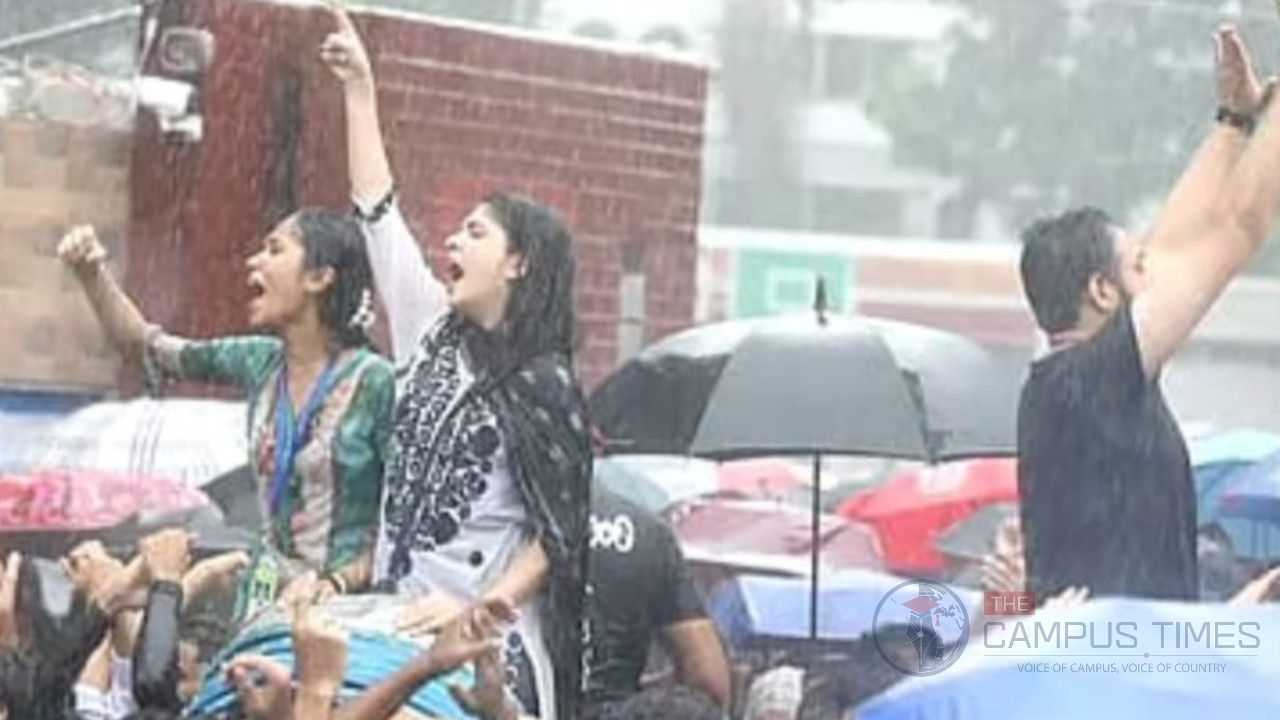
For decades, young people have been described as the future of Bangladesh. But the reality is that they are not only the future, but they are also the present. From the Language Movement of 1952 to the Liberation War of 1971 and 2024 July revolution, the young generation have repeatedly played a crucial role in shaping the country’s political journey. But even though they have a history of contributions and demographic strength, youth remain underrepresented in formal political spaces. The question today is not about whether the youth are interested in politics or not, but it is about whether the existing political system is ready to listen to them.In recent years, the nature of youth political participation has changed significantly. For many young citizens, politics is no longer limited to joining political parties, attending rallies or participating in elections. Digital platforms have created new spaces where young people discuss national issues, express opinions, raise awareness and demand accountability. Social media has allowed the new generation to become involved in political conversations in ways that were not possible before.This transformation indicates that youth are not politically inactive; instead, they are engaging with politics through different channels. Many young Bangladeshis are increasingly concerned about issues such as employment opportunities, education reform, economic inequality, climate change, human rights and good governance. Their participation in social campaigns, community initiatives and online discussions reflects a broader understanding of citizenship.However, awareness alone is not enough. A strong democracy requires young citizens to move from expressing opinions to actively participating in decision-making processes. While digital activism has created opportunities, it cannot fully replace institutional political participation. One of the major challenges preventing greater youth involvement in politics is the negative perception associated with political activities. Many young people view politics as an environment dominated by conflict, corruption and unhealthy competition. As a result, talented and educated youth often hesitate to enter political spaces.Another challenge is the limited opportunity for young leadership within existing political structures. Although political organizations often emphasize the importance of youth, young members frequently lack meaningful decision-making authority. Symbolic inclusion without actual influence cannot create sustainable youth participation.Student politics is another important factor affecting youth engagement. Historically, student movements played a significant role in defending democratic rights and national interests. However, concerns regarding violence, partisan influence and political rivalry have affected public confidence in student politics. Reforming political culture is essential to ensure that youth participation becomes constructive, inclusive and focused on public interest.At the same time, young people themselves must take responsibility for shaping a better political environment. Political participation should not be limited to criticism or temporary involvement during national crises. The younger generation should actively contribute to policy discussions, community development and democratic practices.To build a youth-inclusive political future, political parties, government institutions and civil society organizations must create more opportunities for young citizens. Young people should be encouraged to develop leadership skills, contribute innovative ideas, and participate in policymaking. Their perspectives are especially valuable in areas such as technology, economic development, environmental sustainability and social reform.Education also plays a significant role in preparing responsible citizens. Strengthening civic education and promoting democratic values can help young people understand both their rights and responsibilities. A politically aware and responsible youth population can contribute to a more accountable and inclusive democracy.Ultimately, youth participation should not be viewed as a temporary trend or a response to political crises. Young people are not merely future leaders waiting for their opportunity; they are current stakeholders who could influence the direction of the country today. A democratic system becomes stronger when it includes diverse voices and encourages meaningful participation.The future of Bangladesh politics depends on whether the country can transform its large youth population from observers into active participants. Empowering young citizens is not only about increasing representation—it is about creating a more responsive, innovative and accountable political system. By providing space for youth voices, Bangladesh can move toward a more inclusive democratic future.By Lutfa Bintay LotifStudent of Department of International Relations, University of DhakaIntern at Applied Democracy Lab.
Lutfa Bintay Lotif, Article Writer ||
For decades, young people have been described as the future of Bangladesh. But the reality is that they are not only the future, but they are also the present. From the Language Movement of 1952 to the Liberation War of 1971 and 2024 July revolution, the young generation have repeatedly played a crucial role in shaping the country’s political journey. But even though they have a history of contributions and demographic strength, youth remain underrepresented in formal political spaces. The question today is not about whether the youth are interested in politics or not, but it is about whether the existing political system is ready to listen to them.In recent years, the nature of youth political participation has changed significantly. For many young citizens, politics is no longer limited to joining political parties, attending rallies or participating in elections. Digital platforms have created new spaces where young people discuss national issues, express opinions, raise awareness and demand accountability. Social media has allowed the new generation to become involved in political conversations in ways that were not possible before.This transformation indicates that youth are not politically inactive; instead, they are engaging with politics through different channels. Many young Bangladeshis are increasingly concerned about issues such as employment opportunities, education reform, economic inequality, climate change, human rights and good governance. Their participation in social campaigns, community initiatives and online discussions reflects a broader understanding of citizenship.However, awareness alone is not enough. A strong democracy requires young citizens to move from expressing opinions to actively participating in decision-making processes. While digital activism has created opportunities, it cannot fully replace institutional political participation. One of the major challenges preventing greater youth involvement in politics is the negative perception associated with political activities. Many young people view politics as an environment dominated by conflict, corruption and unhealthy competition. As a result, talented and educated youth often hesitate to enter political spaces.Another challenge is the limited opportunity for young leadership within existing political structures. Although political organizations often emphasize the importance of youth, young members frequently lack meaningful decision-making authority. Symbolic inclusion without actual influence cannot create sustainable youth participation.Student politics is another important factor affecting youth engagement. Historically, student movements played a significant role in defending democratic rights and national interests. However, concerns regarding violence, partisan influence and political rivalry have affected public confidence in student politics. Reforming political culture is essential to ensure that youth participation becomes constructive, inclusive and focused on public interest.At the same time, young people themselves must take responsibility for shaping a better political environment. Political participation should not be limited to criticism or temporary involvement during national crises. The younger generation should actively contribute to policy discussions, community development and democratic practices.To build a youth-inclusive political future, political parties, government institutions and civil society organizations must create more opportunities for young citizens. Young people should be encouraged to develop leadership skills, contribute innovative ideas, and participate in policymaking. Their perspectives are especially valuable in areas such as technology, economic development, environmental sustainability and social reform.Education also plays a significant role in preparing responsible citizens. Strengthening civic education and promoting democratic values can help young people understand both their rights and responsibilities. A politically aware and responsible youth population can contribute to a more accountable and inclusive democracy.Ultimately, youth participation should not be viewed as a temporary trend or a response to political crises. Young people are not merely future leaders waiting for their opportunity; they are current stakeholders who could influence the direction of the country today. A democratic system becomes stronger when it includes diverse voices and encourages meaningful participation.The future of Bangladesh politics depends on whether the country can transform its large youth population from observers into active participants. Empowering young citizens is not only about increasing representation—it is about creating a more responsive, innovative and accountable political system. By providing space for youth voices, Bangladesh can move toward a more inclusive democratic future.By Lutfa Bintay LotifStudent of Department of International Relations, University of DhakaIntern at Applied Democracy Lab. সাধারণ সম্পাদক: মোঃ সেলিম রেজা
প্রকাশক: মোঃ সেলিম রেজা (বিএ, অনার্স, ঢাকা বিশ্ববিদ্যালয়)
কপিরাইট © ২০২৬ সর্বস্বত্ব সংরক্ষিত ক্যাম্পাস টাইমস অনলাইন
 প্রিন্ট করুন
  সেভ করুন